

+918048036466

Currently it only shows your basic business info. Start adding relevant business details such as description, images and products or services to gain your customers attention by using Boost 360 android app / iOS App / web portal.

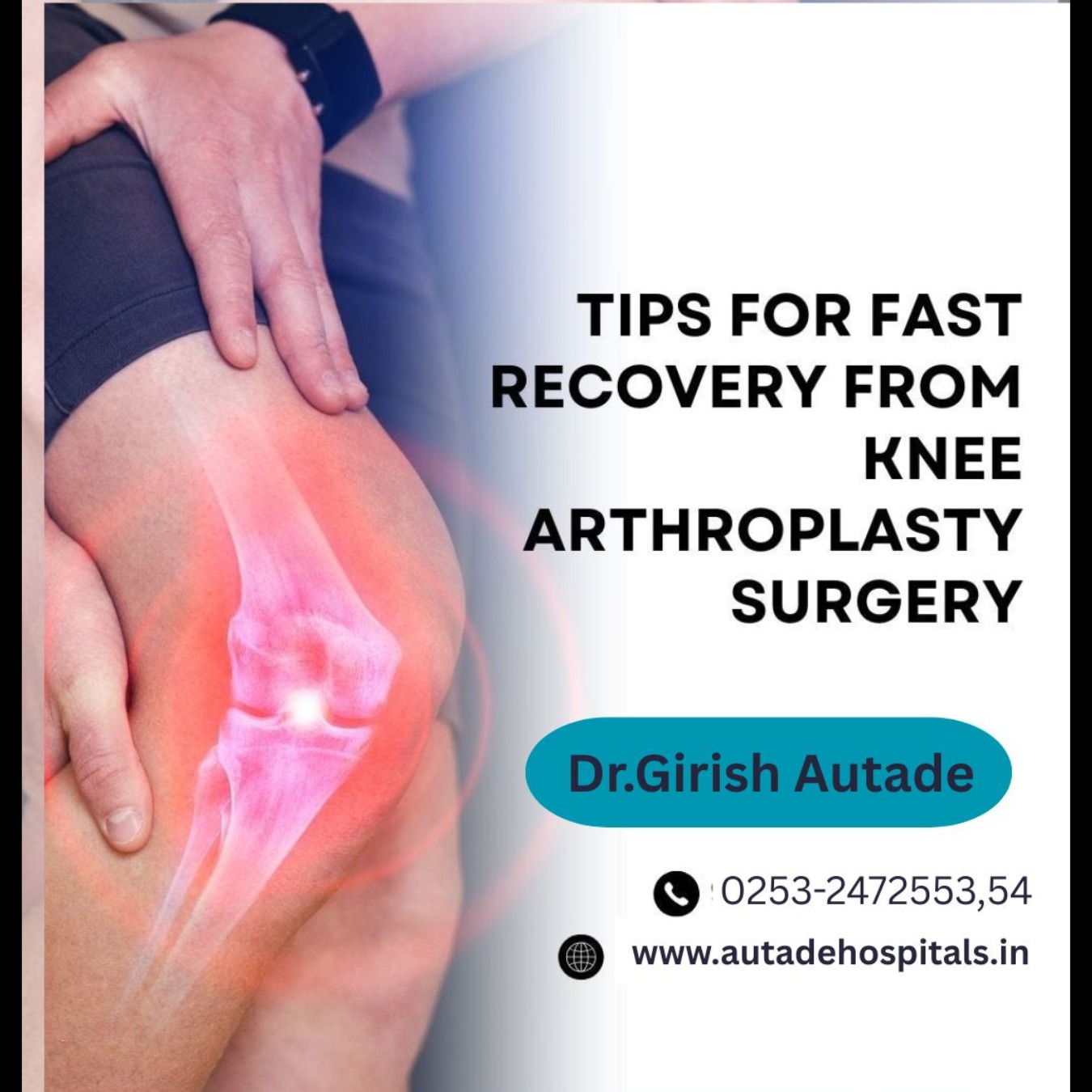
शस्त्रक्रियेनंतर आपल्या डॉक्टरांचा सल्ला पाळा शस्त्रक्रियेनंतर दिलेल्या सर्व सूचनांचे काटेकोरपणे पालन करा. दिलेल्या औषधांचा (दुखणीनाशक, प्रतिजैविके) वेळेवर आणि योग्य प्रकारे वापर करा. फॉलो-अप भेटी वेळेवर घ्या. 2. RICE पद्धत (Rest, Ice, Compression, Elevation) विश्रांती (Rest): सुरुवातीला गुडघ्यावर पूर्ण वजन देणे टाळा. बर्फ (Ice): सुज कमी करण्यासाठी दर 2–3 तासांनी 15–20 मिनिटे बर्फ लावा. दाब (Compression): सूज कमी करण्यासाठी कॉम्प्रेशन बँडेज वापरा. उंची (Elevation): पाय हृदयाच्या पातळीपेक्षा उंच ठेवा. 3. हळूहळू हालचाल सुरू करा डॉक्टरांनी सांगितल्यास क्रच किंवा वॉकर वापरा. सुरुवातीला थोडं थोडं चालायला सुरुवात करा. जिने चढणे, बसणे, गुडघा वळवणं टाळा. 4. लवकर फिजिओथेरपी सुरू करा सौम्य हालचालींचा व्यायाम सुरू करा. फिजिओथेरपिस्टच्या मार्गदर्शनाखाली ताकद वाढवा. क्वाड्रिसेप्स आणि हॅमस्ट्रिंग्स मजबूत करणारे व्यायाम करा. घरचा व्यायाम दररोज करा, डॉक्टरांनी सांगितल्याप्रमाणे. 5. पोषणयुक्त आहार घ्या प्रथिनयुक्त आहाराने ऊतींची दुरुस्ती होते. कॅल्शियम, व्हिटॅमिन D, आणि सूज कमी करणारे अन्न (पालक, हळद, ) घ्या. भरपूर पाणी प्या. 6. धोका असलेल्या हालचाली टाळा धावणे, उडी मारणे किंवा खेळ खेळणे लवकर सुरू करू नका. वजन उचलणे किंवा खोल बसणे टाळा. 7. धोक्याची लक्षणे ओळखा खालील लक्षणे दिसल्यास डॉक्टरांना त्वरित संपर्क करा: वाढलेली सूज किंवा लालसरपणा ताप येणे टाके/जखमेवरून पाझरणे किंवा पू येणे औषध घेतल्यावरही कमी न होणारे दुखणे 8. मानसिक दृष्टिकोन सकारात्मक ठेवा शस्त्रक्रियेनंतर 4–6 आठवडे बरे होण्यास लागतात. दररोज छोटे छोटे उद्दिष्ट ठेवा – यामुळे प्रेरणा टिकते. 1. Follow Your Surgeon’s Advice Stick to the post-op instructions strictly. Take prescribed medications (painkillers, antibiotics) as directed. Attend follow-up appointments on time. 2. RICE Protocol (Rest, Ice, Compression, Elevation) Rest: Avoid putting full weight on the knee initially. Ice: Apply an ice pack for 15–20 minutes every 2–3 hours to reduce swelling. Compression: Use a compression bandage to minimize swelling. Elevation: Keep your leg elevated above heart level. 3. Gradual Mobilization Use crutches or a walker if advised. Start walking short distances as tolerated. Avoid stairs, squatting, or twisting movements initially. 4. Start Physiotherapy Early Begin with gentle range-of-motion exercises. Gradually build strength with supervised physical therapy. Focus on quad and hamstring strengthening. Home exercises should be done daily, as instructed. 5. Eat Nutritious Food High-protein diet aids tissue repair. Include calcium, vitamin D, and anti-inflammatory foods (e.g., leafy greens, turmeric, fish). Stay hydrated. 6. Avoid High-Risk Activities Don’t rush into jogging, jumping, or sports. Avoid lifting heavy weights or deep knee bends too early. 7. Watch for Warning Signs Notify your doctor if you notice: Increased redness or swelling Fever Pus or unusual discharge from the incision Pain not relieved by medications 8. Stay Mentally Positive Recovery can take 4–6 weeks depending on the procedure. Setting small daily goals helps maintain motivation.


