'Build a strong skeletal system with dairy – Today's nutrition, tomorrow's protection!'
Milk Day and the Importance of Milk and Milk Products in Orthopedics
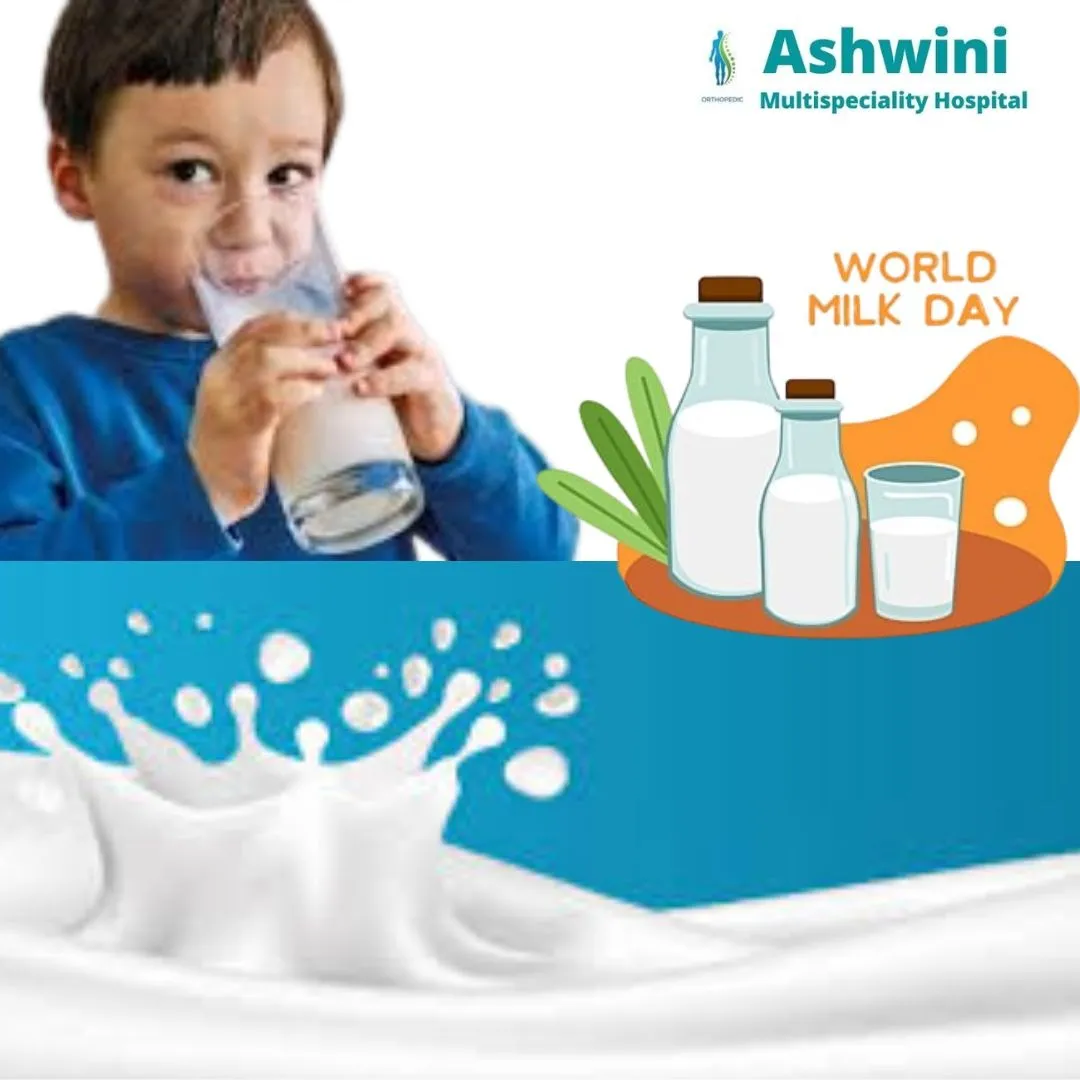
World Milk Day, celebrated annually on June 1st, was established by the Food and Agriculture Organization (FAO) of the United Nations to recognize the importance of milk as a global food. In orthopedics, the relevance of this day goes beyond mere celebration—it’s an opportunity to highlight the critical role milk and its derivatives play in maintaining bone health, preventing musculoskeletal disorders, and supporting overall orthopedic wellbeing.
The Orthopedic Significance of Milk
Milk is a powerhouse of nutrients that are essential for the development and maintenance of the skeletal system. From childhood to old age, dairy products provide the foundational building blocks for healthy bones.
Calcium – The Bone Mineral
Calcium is the most abundant mineral in the human body, with about 99% stored in bones and teeth. It is crucial for:
Bone mineralization
Osteoblast and osteoclast function
Prevention of osteoporosis and fractures
An adequate intake of calcium, especially from bioavailable sources like milk, is essential for peak bone mass development and maintenance throughout life.
Vitamin D – The Calcium Regulator
Milk fortified with vitamin D helps enhance calcium absorption. Vitamin D deficiency is linked to:
Rickets in children
Osteomalacia in adults
Increased risk of fractures
Orthopedic recommendations often include vitamin D-rich dairy or supplements as part of treatment and prevention protocols.
Protein – For Bone and Muscle Integrity
Milk is a high-quality source of complete protein, which supports:
Muscle mass maintenance
Bone matrix synthesis
Recovery after orthopedic surgery or injury
Adequate protein intake is particularly important in the elderly to prevent sarcopenia and reduce fall risk.
Other Nutrients
Milk and dairy products also provide:
Phosphorus – works with calcium to build strong bones
Magnesium – involved in bone structure and vitamin D metabolism
Potassium and Zinc – contribute to bone metabolism and healing
Role in Orthopedic Practice
In orthopedic medicine, dietary counseling often includes recommendations for dairy intake, particularly for:
Children and adolescents – for optimal bone growth
Postmenopausal women – to mitigate rapid bone loss
Elderly patients – to maintain bone density and prevent fractures
Post-surgical patients – to aid recovery and rehabilitation
Additionally, dairy-rich diets are integrated into treatment plans for patients with:
Osteoporosis
Fractures
Joint replacements
Spinal conditions
Conclusion
On this World Milk Day, the orthopedic community recognizes the indispensable role of milk and dairy products in promoting bone health and preventing musculoskeletal disorders. Encouraging adequate and regular consumption of milk—alongside physical activity and sunlight exposure—can significantly reduce the burden of orthopedic diseases worldwide
Keywords